


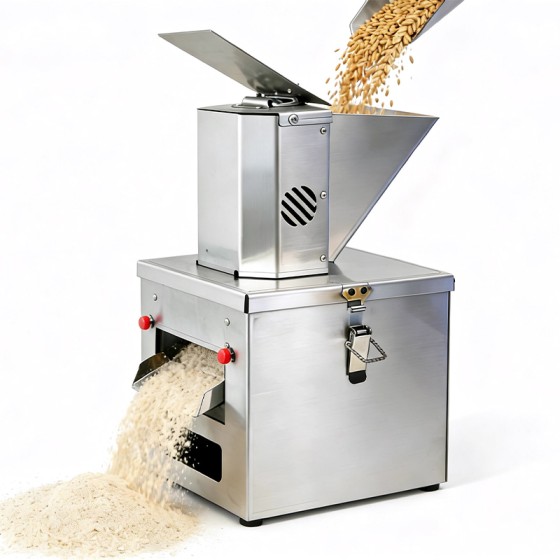
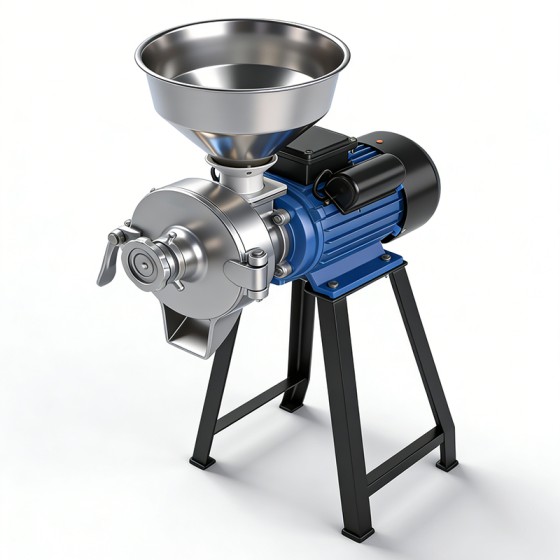
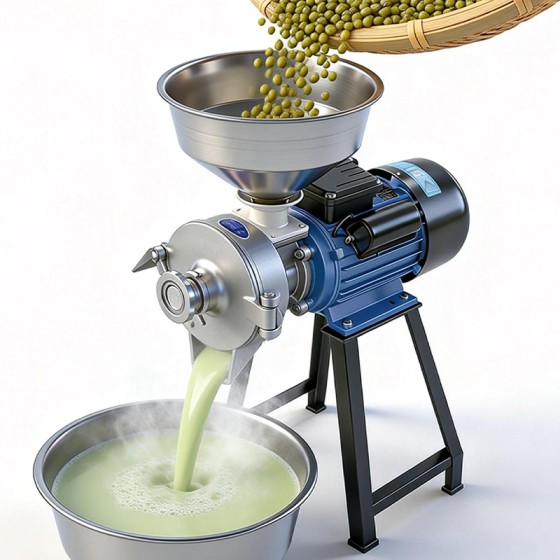
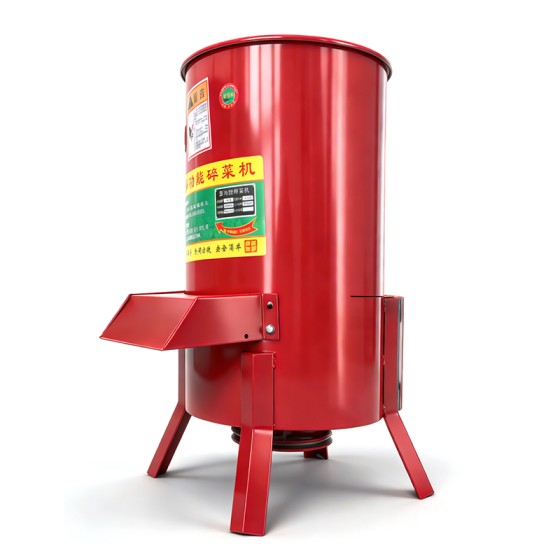

How to Choose Home/Commercial Flour Mill? 3 Key Tips
# How to Choose Home vs Commercial Flour Mill? 3 Key Indicators to Avoid Mistakes
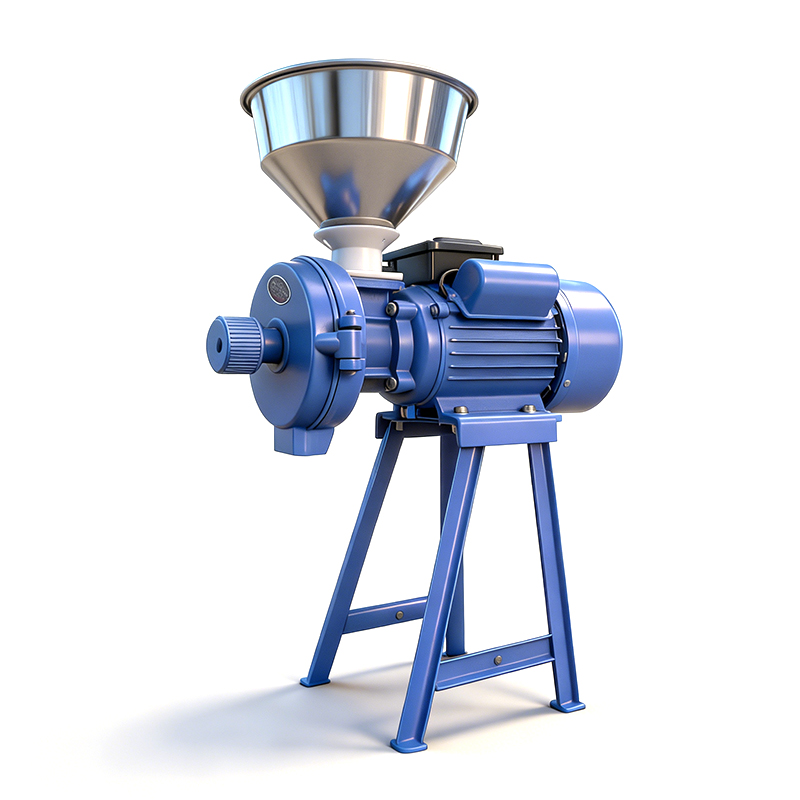
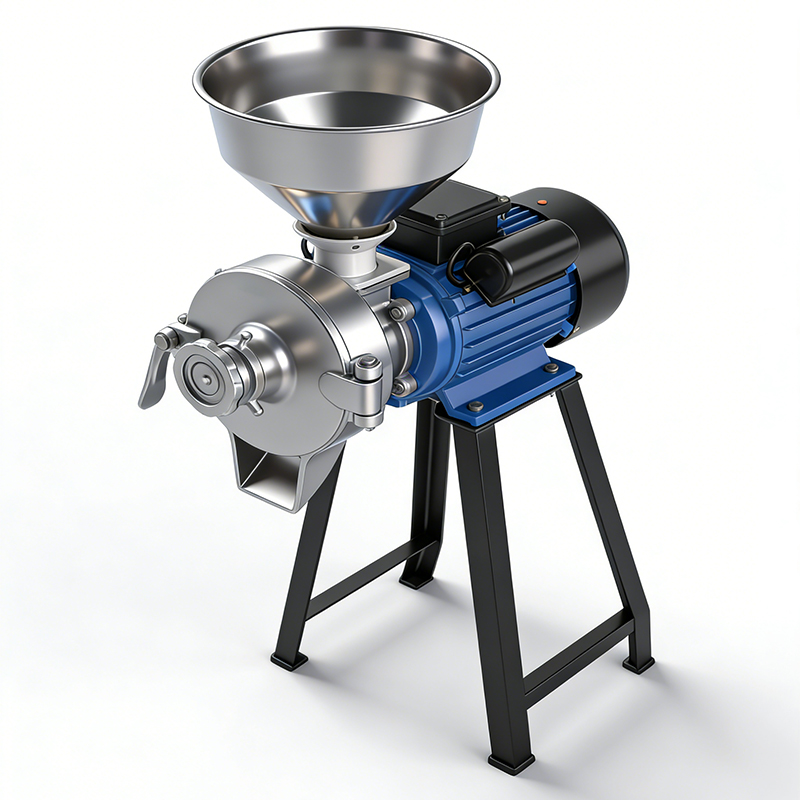
For farmers and small processing factories, flour mills are essential equipment, but choosing the right model can avoid the problem of "expensive but useless". Today, we will teach you how to quickly distinguish between home and commercial flour mills from 3 core indicators.
1. Check Voltage and Power
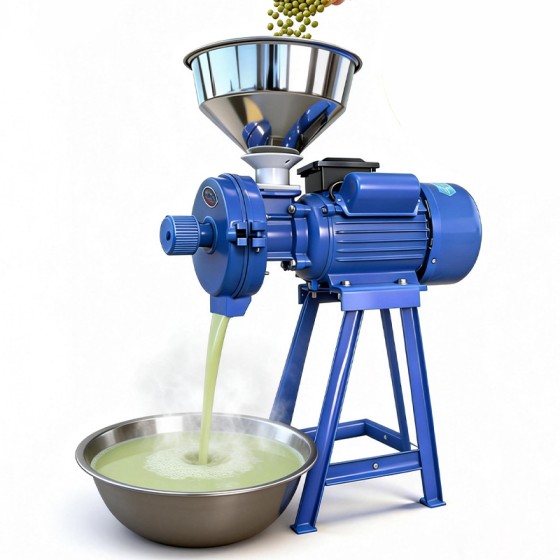
Home flour mill: Priority is 220V voltage with power between 1.5-3KW, suitable for 1-5 mu farmers. It can grind wheat, corn and miscellaneous grains daily with a single processing capacity of 5-20kg. It can be used by plugging in household electricity without additional power connection.
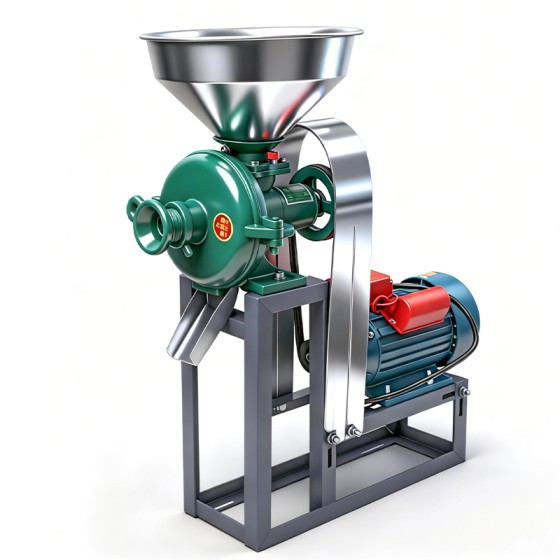
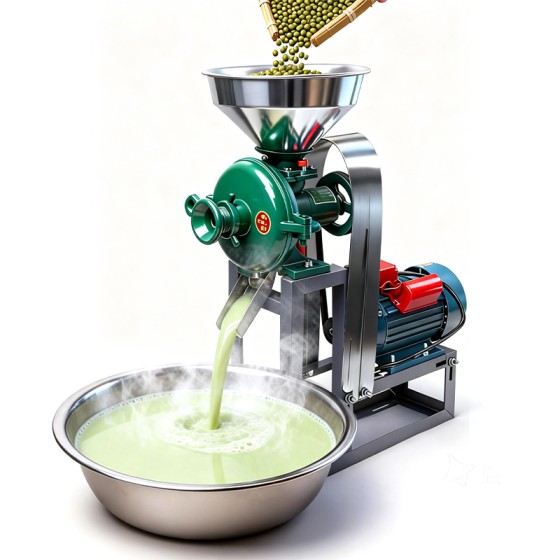
Commercial flour mill: Choose 380V industrial voltage with power of 5-15KW, suitable for cooperatives and small flour factories. The hourly output is 50-200kg, and it can work continuously without stuttering to meet the needs of batch processing.
2. Check Output and Application Scenario
Home version: Daily processing capacity ≤ 50kg, suitable for home consumption and small market stalls. The body is small and easy to move and store.
Commercial version: Daily processing capacity ≥ 100kg, can realize semi-automatic feeding with conveyor belt, suitable for large-scale production in fixed sites.
3. Check Functional Configuration
Home version: Basic version is sufficient, with fineness adjustment knob (80-120 mesh) to meet daily flour needs.
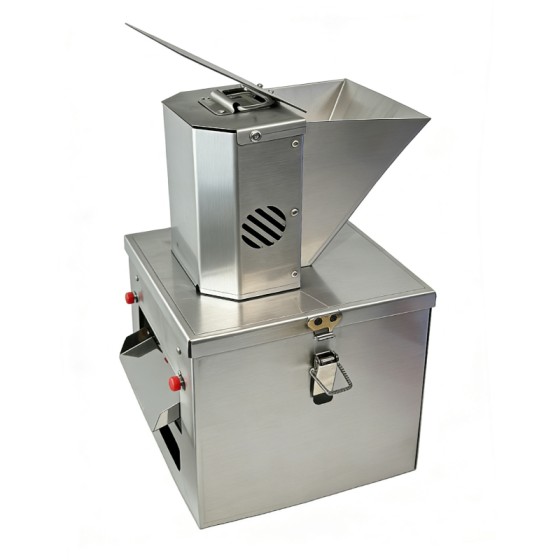
Commercial version: It is recommended to choose automatic version, which has built-in flour screening and bagging functions, saves labor, grinds flour more uniformly, and reduces dust flying.
Summary
Farmers with 1-5 mu choose 220V home version with high cost performance; those with more than 5 mu or processing factories choose 380V commercial version for high efficiency and labor saving.
👉 Choosing farm machinery? Click [Online Consultation] for 1-on-1 model matching
👉 Want more practical tips? Follow us for regular updates